Health and Safety Policy for House Clearance Sutton
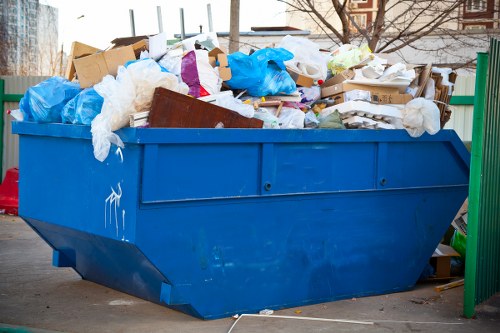 Policy Statement: Our company is committed to delivering safe and reliable house clearance and rubbish removal services across our service area. This Health and Safety Policy sets out the principles, responsibilities and control measures we apply to protect staff, contractors, clients and the public. We will maintain a proactive safety culture that reduces risk, prevents accidents and ensures legal compliance with applicable health and safety obligations without relying on location-specific legal citations.
We recognise that house clearance and waste collection involves physical work, manual handling, exposure to hazardous materials and vehicle operations. To manage these hazards we adopt a systematic approach based on hazard identification, risk assessment and risk control. The company will ensure that adequate resources are allocated to health and safety so operations are conducted with competent personnel and effective supervision.
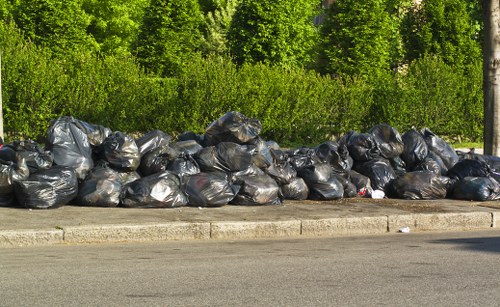 Roles and Responsibilities: All staff must understand their safety responsibilities. Senior management has overall accountability for safety strategy and resource allocation. Supervisors and team leaders are responsible for on-site risk control and ensuring safe working practices are followed. Every employee is expected to work safely and report hazards promptly. Contractors engaged for specialised tasks must demonstrate appropriate safety arrangements before work begins.
Risk Assessment and Control Measures
Before starting any clearance activity a site-specific risk assessment will be completed and documented. Assessments will consider:
- Manual handling risks associated with lifting, carrying and moving bulky items;
- Biological and chemical hazards such as mould, asbestos suspicion, sharps and household chemicals;
- Slip, trip and fall hazards including uneven ground, cluttered rooms and stairways;
- Vehicle and traffic risks during loading, unloading and roadside operations;
- Fire and electrical safety where items pose ignition or electrocution risk.
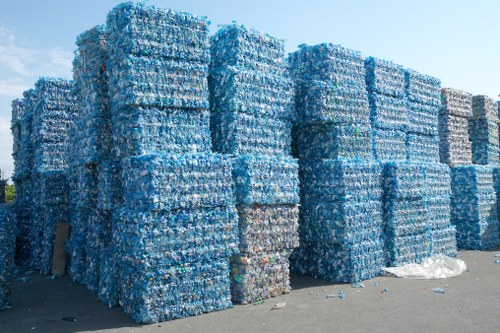 Control measures will follow the hierarchy of risk control: elimination, substitution, engineering controls, administrative controls and personal protective equipment. Regular toolbox briefings will reinforce these controls and highlight any changes to the workplan.
Training, Competence and Personal Protective Equipment
We provide ongoing training to ensure staff are competent to perform their roles safely. Training covers manual handling techniques, safe use of wheeled bins and trolleys, safe loading methods, waste segregation and the safe handling of potentially hazardous items.Personal protective equipment (PPE) is provided where controls cannot eliminate risks. Typical PPE includes gloves, safety boots, hi-vis clothing, eye protection and dust masks or respirators when required. Employees must wear appropriate PPE and report lost or defective equipment immediately.
 The company maintains clear procedures for dealing with suspected hazardous materials. If asbestos or other regulated materials are suspected, work will stop and specialist contractors will be engaged. Staff are instructed never to handle items outside their competence and to isolate hazards until experts assess the risk.
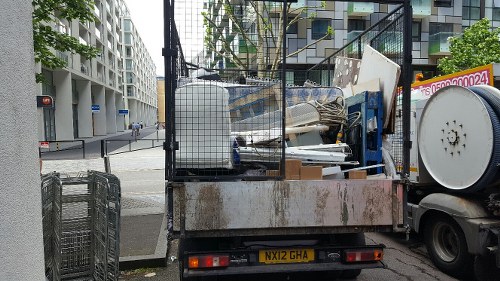
Vehicle safety standards are integral to our operations. All drivers must hold valid licences appropriate to the vehicle type, follow vehicle inspection schedules and complete daily safety checks. Loads must be properly restrained and secured before transit. Vehicle movement plans will be used on busy sites to protect operatives and the public.
Site management practices include establishing secure perimeters where required, maintaining clear access routes, and ensuring safe storage of collected waste pending disposal. Waste segregation reduces handling and environmental risk by separating recyclable materials from general rubbish and hazardous items.
 Emergency procedures are in place for incidents such as injury, vehicle accidents, fire or release of hazardous substances. These procedures include immediate first-aid response, securement of the area, notification of senior management and liaison with emergency services. Records of incidents and near misses will be maintained and reviewed to prevent recurrence.
Monitoring, Audit and Continuous Improvement: We maintain a programme of inspections and audits to monitor compliance with this policy. Performance indicators include incident frequency, audit findings, training completion rates and corrective action closure. Findings are used to refine procedures and improve safety performance.
Contractor management procedures require evidence of competence, insurance and health and safety arrangements prior to appointment. Regular reviews of subcontractor performance ensure that third-party work aligns with our safety expectations and service standards.
Documentation and Record Keeping: Accurate records of risk assessments, training, equipment maintenance, vehicle checks and incident reports are retained in accordance with company record retention practices. These records support accountability, enable trend analysis and provide evidence of due diligence.
Policy Review and Approval
This policy will be reviewed at regular intervals and following any significant incident, change in operations or regulatory update. Reviews aim to reflect operational experience, emerging best practices and evolving risk profiles in house clearance and rubbish removal services.This policy is a formal statement of our commitment to health and safety. It applies across our operational area and to all staff, contractors and others affected by our activities. All employees are encouraged to contribute to safety improvements by reporting hazards and suggesting safer ways of working.
Signed and endorsed by company leadership. Distribution of this policy to all employees supports a shared responsibility for safe, efficient and environmentally responsible waste removal and house clearance services.